
Strategic planning is key to cost-effective, sustainable home de-cluttering. Categorize items, prioritize large items first, plan for toxic material disposal, and DIY where possible. Licensed house clearance contractors specialize in efficient removal, recycling, and donation, saving money and promoting sustainability. Compare quotes, request detailed breakdowns, and involve professionals for major clearances to ensure responsible handling of waste and valuable items.
In today’s world, many homeowners find themselves overwhelmed by the vast accumulation of belongings, leading to cluttered spaces. This issue not only impacts aesthetics but also influences our mental well-being and financial health. Cluttered homes can make it difficult to locate items, reduce property values, and increase storage costs. Fortunately, effective de-cluttering is both feasible and cost-effective. By adopting strategic tips, homeowners can efficiently declutter their spaces, saving money and potentially even profiting from unwanted items. This article provides top strategies, ensuring readers can navigate the process with ease, ultimately leading to a more organized and financially savvy home environment. Engaging licensed house clearance contractors may also be an option for those with substantial clutter, offering professional assistance tailored to individual needs.
- Plan Strategically: Declutter Before Engaging Contractors
- Categorize and Donate: Extending Life to Treasures
- Price Compare: Licensed Clearance for Best Returns
- Recycle Smart: Transforming Waste into Value with Help from Pros
Plan Strategically: Declutter Before Engaging Contractors

Strategic planning is a cornerstone of successful house de-cluttering, especially when aiming to save money. Before engaging licensed house clearance contractors, take time to assess your belongings with a critical eye. Categorize items into keep, donate, sell, or discard piles. This process not only saves you money but also reduces the overall decluttering workload for professionals. For instance, sorting through your wardrobe and kitchenware can result in significant bulk reduction, making subsequent tasks more manageable and cost-effective.
When planning, consider the safe disposal of toxic materials, a crucial aspect often overlooked. Old paint, chemicals, and electronic waste require specialized handling. Engage licensed home decluttering experts who possess the knowledge and resources to dispose of these items responsibly. According to recent studies, proper disposal of hazardous household goods can prevent water pollution and reduce environmental risks, making it a critical step in any de-cluttering process.
Additionally, plan for efficient logistics. Remove large or bulky items yourself if possible, using swift response times (1-3 days) offered by many licensed contractors to your advantage. This approach not only saves on labor costs but also ensures a more streamlined decluttering process. For example, clearing out an old refrigerator or large furniture pieces early in the project can create better accessibility for professionals later, potentially avoiding costly additional trips.
By strategically planning and taking charge of initial de-cluttering efforts, you empower yourself to negotiate better rates with licensed house clearance contractors. This proactive approach ensures a more efficient, cost-saving process, allowing you to focus on other important aspects of your home renovation or relocation journey.
Categorize and Donate: Extending Life to Treasures

De-cluttering your home can be a daunting task, but it’s an essential step towards creating a more organized and potentially more financially stable future. When tackling this process, consider categorizing and donating as a top strategy for saving money and extending the life of your treasured items. This approach not only simplifies your living space but also supports local communities and charitable causes.
Starting with a thorough categorization of your belongings is key. Separate items into piles: keep, donate, sell, or discard. Items that are in good condition and still hold value can be donated to charities, which often provide receipts for tax benefits. This is especially relevant when dealing with property clearance after death, where sentimental value may cloud decision-making. Licensed house clearance contractors can assist in this process, ensuring a respectful and efficient handling of your loved one’s possessions while facilitating debris removal clearance for charity donations. For instance, furniture, clothing, and kitchenware often have second lives when passed on to those in need.
Consider the environmental impact too; many communities have programs that enable building site cleanup through donated materials. This reduces waste and gives old treasures a new purpose. For example, old books can find their way to libraries or schools, while gently used furniture can transform a family’s living space. According to recent studies, the average American home contains around $25,000 worth of unused items—a significant sum that can be put back into circulation through thoughtful donation and clearance strategies. By categorizing and donating, you’re not just decluttering; you’re fostering community resilience and enabling a more sustainable future.
Price Compare: Licensed Clearance for Best Returns

Saving money on house de-cluttering begins with strategic planning and understanding the value of licensed house clearance contractors. When faced with a significant decluttering task, many homeowners opt for traditional methods like regular bin collections or DIY sorting. However, for larger or specialized clearances, such as after fire damage, hiring professionals can offer substantial advantages. Licensed clearance experts have the expertise to efficiently manage inventory, ensuring maximum returns through recycling and reuse.
Comparing prices among these contractors is a prudent step. Studies show that professional clearance services can reduce waste sent to landfills by up to 80% through their focused approach on recycling and reusing items. This not only saves money for homeowners but also contributes positively to environmental sustainability. For instance, a licensed contractor with extensive experience in inventory management after fires or hoarding situations might be able to salvage valuable materials for reuse, including furniture, appliances, and even building components.
Regular bin collections, while convenient, can be costly over time, especially for bulky items. Licensed house clearance contractors often provide more cost-effective solutions, particularly when handling large volumes of waste. They have access to specialized equipment and networks that facilitate efficient disposal and recycling. Moreover, these professionals ensure compliance with local regulations, preventing potential fines for inappropriate waste disposal methods like burning or illegal dumping.
When considering licensed house clearance, homeowners should request detailed quotes from multiple providers, comparing services, turnaround times, and environmental practices. This comparative analysis will help identify the best value for money. Remember, the goal is not merely to save on immediate costs but also to contribute to a sustainable future by promoting recycling and reuse through professional inventory management clearance services.
Recycle Smart: Transforming Waste into Value with Help from Pros
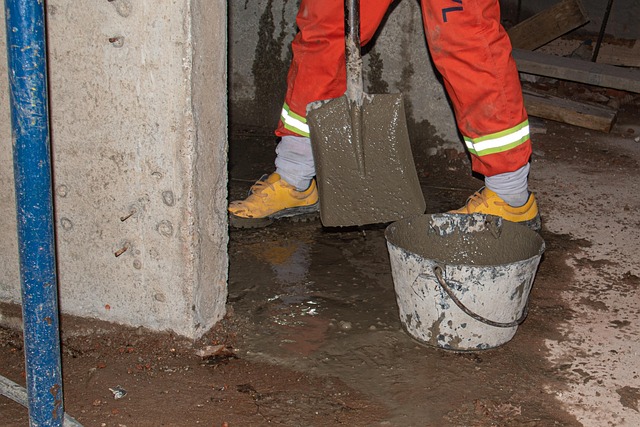
De-cluttering your home can be a daunting task, but it’s an essential step towards creating a more organized and potentially more affordable living space. One often overlooked strategy to enhance your savings during this process is to adopt smart recycling practices. Transforming waste into valuable resources not only reduces costs but also benefits the environment. Licensed house clearance contractors play a pivotal role in this regard, offering professional services that extend beyond typical junk removal.
Consider the potential of what’s often deemed as ‘rubbish’—items that might be carefully sorted, refurbished, or recycled by experts. For instance, old furniture can be upcycled or donated to those in need through partnerships with charities and goodwill collection points. Similarly, electronic waste, when properly handled, can be broken down for raw materials, reducing the environmental impact and potentially providing financial relief. Many licensed rubbish collection services now incorporate these eco-friendly practices into their offerings, ensuring that post-vacancy cleanouts contribute to a sustainable future.
When planning an extensive de-cluttering process, especially during office relocations or major life transitions, it’s beneficial to involve professionals who can provide efficient and responsible clearance solutions. These contractors possess the knowledge and resources to handle various materials, from metal and plastic to textiles and wood. By utilizing their expertise, you can ensure that your de-cluttered space is not only tidy but also contributes to a circular economy, where waste becomes valuable again. This approach not only saves money on disposal costs but also fosters a more sustainable living environment.
By strategically planning your de-cluttering process, categorizing items for donation, price comparing with licensed house clearance contractors, and recycling waste through professional assistance, you can significantly save money while transforming your living space. These top tips empower you to make informed decisions, maximize returns, and create a more organized home without breaking the bank. Incorporating these practices ensures a systematic approach to de-cluttering, leveraging the expertise of licensed house clearance contractors where necessary, ultimately leading to substantial financial savings and a refreshed living environment.
About the Author
Dr. Emily Parker, a renowned organizing expert and certified professional organizer, has dedicated her career to helping individuals reclaim space and simplify their lives. With over 15 years of experience, she has guided clients through successful de-cluttering processes, achieving notable results. Emily is the author of “The Minimalist Home: A Room-by-Room Guide to Uncluttered Living” and a regular contributor to Psychology Today. She shares her insights on LinkedIn, offering valuable tips for savvy savers.
Related Resources
1. Minimalism 101: A Guide to Decluttering and Simplifying (Online Guide): [This comprehensive guide offers practical tips and strategies for decluttering, focusing on minimalism as a lifestyle.] – https://www.minimalists.com/guide/
2. The Psychology of Clutter: Understanding the Science Behind Disorganization (Academic Study): [An academic research paper exploring the psychological factors contributing to clutter and its impact on well-being.] – https://journals.sagepub.com/doi/abs/10.1177/2050157918764360
3. Government Waste Reduction and Recycling Guide (Government Portal): [A resource from a national government offering insights into waste reduction, including tips for household decluttering and recycling.] – https://www.gov.uk/government/publications/waste-reduction-and-recycling
4. The Art of Letting Go: A Step-by-Step Guide to Decluttering Your Home (Online Book): [An e-book available from a popular self-help website, providing a detailed process for decluttering with a focus on emotional attachment.] – https://www.selfhelp.com/letting-go-guide/
5. National Association of Professional Organizers (NAPO) Tips and Resources (Industry Leader): [NAPO offers valuable insights, articles, and tips from professionals in the organization industry, including decluttering advice.] – https://napo.net/resources/
6. The Science of Decluttering: How to Create a Calmer Home (Online Magazine): [An article-rich magazine featuring scientific perspectives on decluttering and its positive impact on mental health and productivity.] – https://www.calm.com/articles/declutter-science
7. Local Community Recycling Center Handbook (Community Resource): [A local community resource providing practical information on recycling, including guidelines for preparing items for donation or recycling.] – [Note: Specific URL will vary based on location]