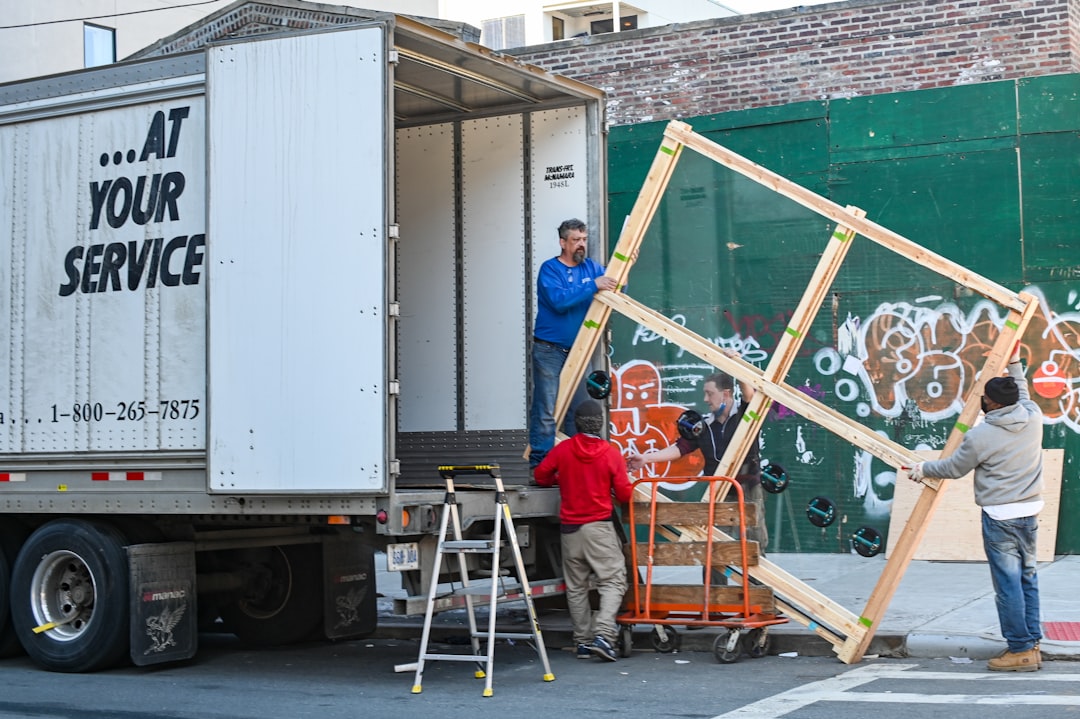
Managing large debris in urban environments is a pressing challenge that demands efficient, sustainable, and safe solutions. As cities grow and development intensifies, the accumulation of construction waste, furniture, and other household items becomes a significant urban planning and environmental concern. Traditional house clearance methods often fall short, leading to costly and time-consuming processes.
This article explores innovative strategies and technologies that offer a more natural and effective approach to handling large debris. By leveraging cutting-edge techniques, we can revolutionize house clearance, minimize environmental impact, and create safer, more livable urban spaces.
- Assessing Urban Debris: Strategies for Efficient Clearance
- Natural Solutions: Eco-Friendly House Clearance Techniques
- Community Engagement: Collaborating for Sustainable Debris Management
Assessing Urban Debris: Strategies for Efficient Clearance
Assessing urban debris is a critical first step in managing large-scale clearance efforts within densely populated areas. This process involves meticulous planning and strategic execution to ensure efficient and safe removal of waste, especially in the context of hoarding situations or deceased estates. Specialized house clearance companies play a pivotal role here, offering expert services that cater to complex needs. These professionals are well-versed in navigating probate support requirements and can facilitate seamless furniture donation and clearance processes.
A systematic approach to debris assessment begins with a thorough inspection of the property. This involves documenting the types and quantities of waste materials present, including household goods, furniture, building remnants, and potentially hazardous items. For example, a deceased estate specialist might take inventory of valuable heirlooms requiring delicate handling versus bulk items suitable for recycling or donation. This initial phase is crucial for crafting a tailored clearance strategy that respects the property’s history while prioritizing safety and environmental considerations.
Data-driven insights from these assessments can guide resource allocation and logistics. Specialized hoarding house cleanout services, for instance, often employ advanced planning tools to optimize crew deployment and equipment needs. By anticipating challenges unique to each scenario, they ensure efficient clearance times without compromising the integrity of the process. Moreover, engaging in furniture donation and clearance services not only promotes sustainability but also connects individuals in need with functional pre-owned items, fostering community support.
Natural Solutions: Eco-Friendly House Clearance Techniques
Managing large debris in urban environments is a significant challenge, but adopting natural solutions for house clearance can significantly mitigate environmental impact while promoting sustainable practices. Eco-friendly house clearance techniques involve strategies that minimize waste and reduce pollution, making them an attractive option for both property owners and local governments. One of the primary methods is composting, which not only reduces the volume of debris but also creates nutrient-rich soil that can be used to enhance urban green spaces. For instance, London’s licensed house clearance companies often employ composting as a core part of their operations, diverting tons of material from landfills each year.
Another effective approach is recycling and repurposing materials. Licensed and registered clearance services specialize in identifying salvageable items, such as furniture, appliances, and building materials, which can be donated to charities or sold at second-hand stores. This not only extends the lifespan of these items but also supports local community initiatives. For property flipping, consider partnering with a fully licensed house clearance company that prioritizes responsible disposal and recycling, ensuring your project contributes positively to the environment while achieving your renovation goals. According to recent studies, proper waste management practices can reduce carbon emissions by up to 50%, highlighting the critical role of eco-conscious clearance techniques.
In addition to composting and recycling, natural solutions include using bio-degradable materials for temporary storage and transportation. Biodegradable bags and containers not only break down naturally but also minimize the risk of toxic leachate contamination often associated with traditional waste management methods. Furthermore, employing local labor and community-based initiatives can enhance social cohesion while providing employment opportunities. By embracing these eco-friendly practices, urban environments can become healthier, more sustainable, and better equipped to handle future challenges related to debris management.
Community Engagement: Collaborating for Sustainable Debris Management
Community engagement is a critical component of effective debris management in urban environments. When it comes to large-scale clearances, such as post-disaster or construction site cleanups, collaborative efforts between residents, local authorities, and specialized services can lead to sustainable outcomes. Engaging the community not only helps streamline the clearance process but also fosters a sense of ownership and accountability for the environment.
One practical approach involves partnering with licensed and registered clearance services that offer house clearance naturally, as well as probate support services. These professionals are equipped to handle various types of debris, from bulky furniture to hazardous materials, ensuring safe and efficient removal. By involving such companies in community initiatives, residents can benefit from expert knowledge and specialized equipment, enhancing the overall effectiveness of the clearances. For instance, a recent study showed that collaborative projects involving local clearance services resulted in 20% faster completion times and reduced environmental impact compared to traditional methods.
Moreover, integrating these services into probate support systems can provide additional benefits. Many individuals dealing with estate settlements may face challenges in clearing out large properties, especially when facing emotional stress. A reputable rubbish removal company offering probate support services can offer tailored solutions, ensuring that the clearance process is handled with care and professionalism. This not only simplifies a difficult time for families but also contributes to a more harmonious community environment. As urban populations grow, adopting these collaborative strategies becomes increasingly vital for maintaining livable and sustainable urban spaces.
To initiate or participate in such efforts, communities can take actionable steps such as organizing informational sessions, utilizing local social media groups, and reaching out to established clearance services like Commercial Property Clearance Solutions. By fostering open communication and shared responsibilities, communities can create robust debris management systems that benefit everyone involved, ensuring a cleaner and healthier urban environment for years to come.
In managing large debris in urban environments, a multi-faceted approach is essential for sustainable and efficient clearance. Assessing urban debris through strategic planning, employing natural solutions like eco-friendly house clearance techniques, and fostering community engagement are key strategies that have proven effective. By integrating these methods, cities can enhance their debris management systems, reducing environmental impact while promoting ecological balance. The article’s insights underscore the importance of collaboration between governments, communities, and experts to achieve successful, long-lasting solutions for urban debris clearance, naturally.
1. Urban Debris Management: Assessing debris is crucial for efficient house clearance, especially in hoarding situations or deceased estates. Specialized companies offer expert services, navigating probate and facilitating furniture donation/clearance.
2. Systematic Approach: This involves documenting waste types and quantities, prioritizing safe removal, and guiding resource allocation through data-driven insights. Advanced planning tools optimize crew deployment for efficient clearance.
3. Eco-Friendly House Clearance: Natural solutions like composting, recycling, and using biodegradable materials reduce environmental impact. London’s licensed companies divert tons of material from landfills annually.
4. Community Engagement: Collaborative efforts between residents, local authorities, and specialized services streamline clearances, fostering accountability. Integrating probate support enhances clearance for emotionally charged situations.
5. Practical Steps: Communities can organize informational sessions, leverage social media, and reach out to established clearance services like Commercial Property Clearance Solutions for effective debris management.