
Licensed house clearance contractors play a crucial role in protecting sensitive data across various regions in the UK (Gloucestershire, Devon, Buckinghamshire, Hampshire, Cheshire, Oxfordshire, Somerset, Warwickshire). To ensure data security, these contractors must conduct thorough risk assessments, implement robust physical and digital security measures, staff training on data handling protocols, secure data transfer methods, maintain detailed records, and regularly update security practices to align with evolving threats and legal requirements like the Data Protection Act 2018 and GDPR. By prioritizing these best practices, licensed house clearance contractors safeguard client privacy, maintain their reputation, and ensure compliance.
In today’s digital age, data security has become a paramount concern for individuals and organizations alike. As our reliance on sensitive information increases, so does the risk of unauthorized access and data breaches. This is particularly pertinent in the context of clearances, where licensed house clearance contractors handle vast amounts of personal and confidential data during property transitions. The challenge lies in ensuring that this data remains secure throughout the clearance process, protecting privacy and preventing potential cyber threats. This article delves into the critical aspects of data security during clearances, exploring best practices and innovative solutions to safeguard information, emphasizing the vital role played by licensed house clearance contractors in maintaining integrity and confidentiality.
- Understanding Data Security Requirements for Clearances
- Risk Assessment: Identifying Potential Vulnerabilities
- Best Practices for Licensed House Clearance Contractors
- Implementing Secure Data Handling Protocols & Training
Understanding Data Security Requirements for Clearances

Ens
Risk Assessment: Identifying Potential Vulnerabilities

Ensuring data security during clearances involves a thorough risk assessment to identify potential vulnerabilities. This process is critical for licensed house clearance contractors operating in areas like Gloucestershire, Devon, and Buckinghamshire, where sensitive information can be present. A comprehensive risk assessment starts with understanding the types of data handled—personal records, financial documents, medical files, or legal papers—and evaluating the security measures already in place.
For instance, a licensed house clearance contractor in any of these regions should consider the physical security of collection and storage sites. This includes assessing access control mechanisms, surveillance systems, and secure containerization for data during transit and at rest. Moreover, digital security must be paramount. Contractors must employ robust encryption protocols, regular software updates, and antivirus measures to protect against cyber threats.
A critical aspect is recognizing that human error or malicious intent can introduce vulnerabilities. Training staff on proper data handling practices, including secure disposal methods, is essential. For instance, a simple yet effective step is ensuring employees properly erase hard drives and data storage devices before recycling or discarding them. This reduces the risk of unauthorized access to sensitive information.
In today’s digital age, where data breaches can have severe consequences, licensed house clearance contractors must stay vigilant. Regular security audits and staying informed about evolving threats are key. By integrating these proactive measures, contractors like those in Gloucestershire, Devon, or Buckinghamshire can ensure they meet the highest standards of data protection, instilling confidence in clients who entrust them with their sensitive materials, including through our specialized junk removal for hoarding services at find us at junk removal.
Best Practices for Licensed House Clearance Contractors

In ensuring data security during clearances, licensed house clearance contractors play a pivotal role, especially in regions like Hampshire, Buckinghamshire, and Cheshire where sensitive information can be abundant. These professionals are not just tasked with safely removing junk after renovation; they are also guardians of confidential data that may remain hidden within homes. To safeguard this data, licensed contractors must adhere to stringent best practices that blend operational efficiency with robust security measures.
For instance, a study by the UK’s Information Commissioner’s Office (ICO) in 2021 revealed that approximately 75% of data breaches occur due to human error or poor processes. Therefore, licensed house clearance contractors should prioritize staff training on data protection protocols, ensuring everyone understands the importance of confidentiality and secure handling procedures. This includes proper disposal methods for electronic devices, documents, and other media that may contain personal information. In a sector where trust is paramount, consistent adherence to such standards not only protects clients’ privacy but also reinforces the contractor’s reputation.
Furthermore, implementing secure data transfer protocols is crucial. Licensed contractors should utilize encrypted channels for digital data exchange and securely destroy or degauss hard drives and other storage devices before disposal. For instance, a licensed house clearance contractor in Cheshire might employ specialized technology to wipe clean all data from items like computers and servers before recycling or recycling them through trusted local programs. This multi-layered approach ensures that no trace of sensitive information remains behind, protecting both the client’s privacy and the company’s integrity.
Lastly, staying updated with legal requirements is essential. The Data Protection Act 2018 and subsequent regulations mandate specific practices for handling personal data. Licensed house clearance contractors in Hampshire and Buckinghamshire should maintain detailed records of clearances, including what was removed, when, and how it was disposed of. By embracing these best practices, contractors not only comply with legal mandates but also demonstrate their commitment to ethical business conduct. This transparency can be a powerful differentiator for companies like yours—find us at junk disposal after renovation while ensuring your clients’ data remains secure and confidential.
Implementing Secure Data Handling Protocols & Training
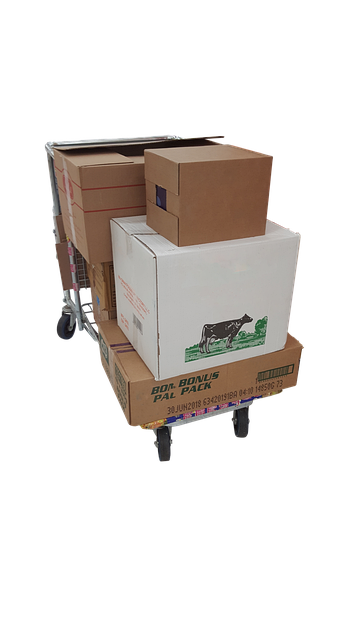
Implementing Secure Data Handling Protocols and Training is Crucial for Licensed House Clearance Contractors
For licensed house clearance contractors like those operating in Oxfordshire, Somerset, and Warwickshire, securing data during clearances is paramount. Not only does it protect sensitive personal information, but it also maintains customer trust and complies with stringent legal requirements. In an era where data breaches can lead to severe financial and reputational damage, licensed house clearance contractors must adopt robust protocols and invest in comprehensive training to safeguard data.
A key component of secure data handling is implementing standardized procedures that govern the collection, storage, and disposal of information. This includes encrypting sensitive data both at rest and in transit, using strong access controls to limit access to authorized personnel only, and regularly auditing logs to detect any suspicious activity. For instance, a licensed house clearance contractor in Oxfordshire should establish protocols for securely transporting items to be disposed of, ensuring that all electronics are wiped clean or destroyed according to industry standards.
Training plays an equally vital role. All staff members involved in data handling should receive regular training on security best practices, including recognizing and mitigating potential risks. This can include phishing simulation exercises to educate employees about the dangers of social engineering attacks. For example, a Somerset-based licensed house clearance contractor might conduct workshops on proper document handling, emphasizing the importance of confidentiality and secure shredding methods. Furthermore, providing ongoing training ensures that staff stay up-to-date with evolving security threats and regulations, such as GDPR or data protection laws specific to the UK regions where they operate.
To reinforce these measures, licensed house clearance contractors should consider implementing a culture of security awareness. This involves fostering open communication about data security concerns among team members and promoting a “security first” mindset. By integrating these practices into daily operations, contractors like those in Warwickshire can ensure that sensitive data is handled with the utmost care and according to industry best practices. If you’re looking for expert support in implementing secure data handling protocols, give us a call at Insured House Cleanup; our team has the experience to guide your business through this critical process.
Understanding and implementing robust data security measures is paramount for licensed house clearance contractors to ensure the safety of sensitive information during clearances. This article has highlighted critical aspects of data security, emphasizing the need for a comprehensive risk assessment to identify potential vulnerabilities. By adopting best practices and implementing secure handling protocols, contractors can significantly reduce risks. Training personnel on these protocols is essential to foster a culture of security awareness. Key takeaways include the importance of staying updated with evolving security standards, conducting thorough background checks, encrypting data transmission, and securely storing records. Licensed house clearance contractors should also establish clear data retention policies and regularly audit their systems for vulnerabilities. By embracing these measures, contractors can maintain client trust, comply with legal obligations, and safeguard sensitive data in an increasingly digital landscape.